
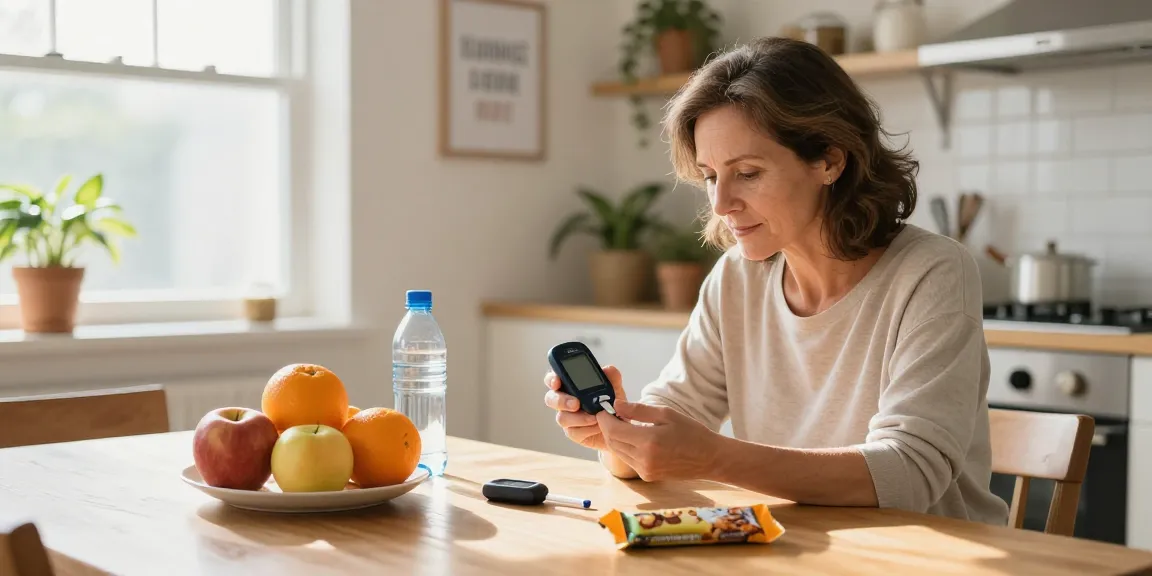
Understanding Blood Glucose Meters and Their Importance
For individuals managing diabetes, blood glucose levels play a crucial role in maintaining overall health. A blood glucose meter is an essential tool that allows users to monitor these levels effectively. By understanding the features and functionalities of these devices, users can ensure prompt and informed responses to fluctuations in their glucose levels, ultimately leading to better management of their condition.
What is a Blood Glucose Meter?
A blood glucose meter is a medical device used to measure the concentration of glucose in the blood. This portable device has become indispensable for individuals with diabetes, allowing them to check their glucose levels at home or on the go. Most meters require a small blood sample obtained through a finger prick, which is analyzed to provide precise glucose readings.
How Blood Glucose Meters Work
Blood glucose meters operate using a simple yet effective principle. When a blood sample is placed on a test strip, a chemical reaction occurs that produces an electrical signal proportional to the glucose concentration in the blood. The meter then converts this signal into a numerical reading displayed on the screen. While most devices use electrochemical technology, some utilize optical or enzymatic methods for measurement, catering to diverse user preferences.
Why Accurate Readings Matter
Obtaining accurate blood glucose readings is vital for preventing complications associated with diabetes. Fluctuations in blood glucose levels can lead to hypoglycemia (low blood sugar) or hyperglycemia (high blood sugar), both of which pose serious health risks. Therefore, using a reliable blood glucose meter ensures users can make informed decisions regarding their diet, medication, and lifestyle to maintain optimal blood sugar levels.
Choosing the Right Blood Glucose Meter for Your Needs
With numerous options available on the market, selecting the right blood glucose meter may seem daunting. However, understanding the various types and their features can simplify the decision-making process. Factors to consider include accuracy, ease of use, and compatibility with your lifestyle.
Types of Blood Glucose Meters Available
Several types of blood glucose meters cater to different user needs:
- Standard Meters: These meters are the most common type, requiring users to apply a drop of blood to a test strip inserted into the meter. They are generally affordable and straightforward to use.
- Continuous Glucose Monitors (CGMs): These advanced devices continuously track glucose levels through a sensor placed under the skin. CGMs offer real-time data and trends but are typically more expensive than standard meters.
- Smart Meters: Equipped with Bluetooth technology, smart meters sync with smartphone apps to track readings over time. This feature provides a comprehensive overview of glucose patterns, aiding long-term management.
Features to Look for in a Blood Glucose Meter
When selecting a blood glucose meter, consider features that align with your specific needs:
- Precision and Accuracy: Look for meters that have undergone rigorous testing and received FDA approval, ensuring reliability.
- Ease of Use: Select a meter that is user-friendly, particularly if you have visual or dexterity challenges.
- Memory Storage: The ability to store multiple readings can help track changes in glucose levels over time, aiding in effective management.
- Size of Blood Sample: Some meters require only a small droplet of blood, making testing less painful and more convenient.
Cost Considerations and Insurance Coverage
Costs associated with blood glucose meters can vary widely. Basic models may be available for as little as $15, while advanced options, particularly CGMs, can reach upward of $1,000. Additionally, users should check their insurance policies, as many plans cover the cost of the meter and necessary supplies. It’s advisable to consult with your provider to ensure maximum coverage.
How to Use a Blood Glucose Meter Effectively
Understanding how to properly use a blood glucose meter is essential for obtaining accurate readings. Following a clear and consistent process can significantly enhance monitoring effectiveness.
Step-by-Step Guide to Taking Readings
- Wash your hands: Clean your hands with soap and water or use an alcohol swab to reduce the risk of contamination.
- Prepare the meter: Insert a new test strip into the meter and wait for the device to initialize.
- Obtain a blood sample: Use a lancing device to prick the side of your fingertip and squeeze gently until a droplet forms.
- Apply blood to the strip: Place the droplet of blood on the designated area of the test strip.
- Read the results: Wait for the meter to display your glucose measurement and document it if necessary.
Common Mistakes and How to Avoid Them
Many users inadvertently make mistakes that can skew their glucose readings. Common errors include:
- Insufficient blood sample: Ensure you use an adequate amount of blood to achieve an accurate reading.
- Expired test strips: Always check the expiration date on test strips, as expired strips can yield incorrect results.
- Improper technique: Familiarize yourself with proper testing techniques to avoid pain and ensure reliable outcomes.
Interpreting Your Results
Understanding the significance of your blood glucose readings is crucial for effective diabetes management. It’s essential to know the target ranges, which can vary depending on individual health conditions. Typically, fasting levels should range between 70-130 mg/dL, while post-meal levels should be below 180 mg/dL. Consult with healthcare providers to establish personalized targets.
Integrating Blood Glucose Monitoring into Your Daily Routine
Effectively managing blood glucose requires integration of monitoring practices into daily life. Here’s how to make regular testing easier and more efficient.
Tips for Regular Monitoring
To enhance consistency in blood glucose monitoring:
- Establish a schedule: Set regular times for testing during the day, such as before meals and before bedtime.
- Keep a log: Document your readings, food intake, and physical activity to identify trends and make informed adjustments.
- Use reminders: Employ smartphone alerts or calendar notifications to prompt testing.
Healthy Lifestyle Changes to Support Blood Sugar Levels
In addition to regular monitoring, lifestyle changes play a crucial role in blood sugar regulation. Consider these actionable tips:
- Balanced Diet: Focus on whole grains, lean proteins, and plenty of fruits and vegetables while avoiding excessive sugar and saturated fats.
- Regular Exercise: Aim for at least 150 minutes of moderate-intensity exercise per week to help maintain healthy glucose levels.
- Stress Management: Incorporate stress-reduction techniques such as meditation or yoga, as stress can significantly affect blood sugar levels.
Using Apps and Technology for Better Tracking
Today, numerous health apps are available that can sync with blood glucose meters to provide comprehensive tracking and analysis. These apps often include features such as reminders, personalized insights, and integration of dietary information, allowing for a holistic view of health and making monitoring more manageable.
The Future of Blood Glucose Monitoring Technology
The landscape of diabetes management is rapidly evolving, driven by technological innovations. As we look toward 2026, several advancements are poised to enhance how individuals monitor their glucose levels.
Upcoming Devices and Innovations in 2026
Developments in wearables and non-invasive glucose monitoring technologies hold great promise. Companies are actively researching devices that can measure glucose levels through the skin without the need for finger pricks, potentially revolutionizing the way patients manage their condition.
Personalization in Diabetes Management
Future innovations will likely focus on personalized diabetes management, utilizing data analytics and machine learning to deliver tailored treatment plans. These advancements may consider an individual’s unique biology, lifestyle, and patterns in glucose fluctuations to provide targeted recommendations.
Impact of Artificial Intelligence on Monitoring Accuracy
Artificial intelligence (AI) is set to play a significant role in improving the accuracy of glucose monitoring. By analyzing vast amounts of data, AI algorithms can provide more precise predictions for glucose levels, allowing users to make informed decisions in real time and reduce the risk of complications.
What Are Continuous Glucose Monitors?
Continuous glucose monitors (CGMs) have already begun to revolutionize diabetes management by providing real-time glucose data. These devices use sensors placed under the skin to measure glucose levels continuously, providing alerts for both high and low levels. As technology advances, CGMs will become more accessible, user-friendly, and integrated with mobile technology, further simplifying diabetes care.


