Understanding Pest Control Fundamentals
Pest control is an essential aspect of maintaining a healthy and safe home environment. In 2026, as urban living increases and climates change, understanding the fundamentals of pest management becomes even more vital for homeowners. This article dives deep into the world of pest control, providing you with the information needed to combat infestations effectively and maintain your home in optimal condition. When exploring options, Pest control provides comprehensive insights into pest management strategies, pest identification, and the latest technologies available.
What is Pest Control?
Pest control refers to the regulation or management of a species defined as a pest, which can be any animal, plant, or fungus that impacts adverse human activities or health. The goal of pest control is to prevent or eliminate pest infestations that can damage property, spread diseases, and create unsanitary living conditions. Effective pest management combines various strategies, including prevention, monitoring, and response techniques, tailored to particular pest problems.
Types of Common Household Pests
- Rodents: Mice and rats are among the most common household pests, known for their ability to reproduce quickly and cause significant damage through gnawing.
- Insects: This category includes ants, cockroaches, termites, and bed bugs, each posing unique challenges. Termites, for instance, can cause severe structural damage if not treated promptly.
- Wildlife: Animals like raccoons and squirrels can invade homes, leading to health hazards and property damage.
- Fungi: Mold and mildew thrive in damp conditions, potentially leading to respiratory issues for inhabitants.
Importance of Pest Control in Home Maintenance
Regular pest control is paramount for maintaining the integrity of a home. Infestations can lead to serious health risks, including allergies, asthma, and exposure to diseases carried by pests. Moreover, pests can also cause significant damage to property, leading to costly repairs. A proactive approach to pest control not only protects the home but also enhances the quality of life for its inhabitants.
Evaluating Pest Infestation
Signs of a Pest Problem
Detecting a pest problem early can save homeowners both time and money. Some common signs of pest infestations include:
- Droppings or urine spotted in areas where pests are likely to hide.
- Gnaw marks on wires, wood, or plastic materials.
- Unusual sounds, such as scratching or scurrying noises, especially at night.
- Visible nests or burrows, indicating rodent activity.
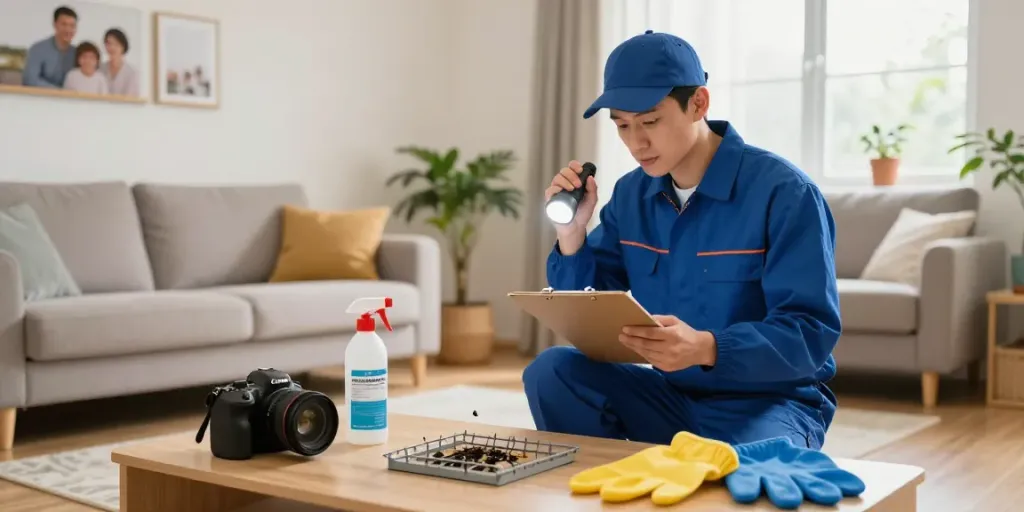
How to Conduct a Home Inspection
Regular home inspections are crucial for identifying potential pest issues. Homeowners should look in common areas where pests may hide, such as:
- Beneath sinks and inside cabinets.
- Attics and basements for signs of rodents or insects.
- Outside areas like gardens and garages where pests might enter the house.
Using traps or bait stations can help monitor active pest populations, leading to timely interventions.
Identifying Common Pests and Their Habits
Understanding the habits of common household pests can help tailor your control methods. For instance, knowing that ants follow scent trails can lead to more effective bait placements, while understanding a rodent's nesting habits can aid in trapping strategies.
Effective Pest Control Methods
DIY Pest Control Solutions
Homeowners often turn to DIY pest control methods as a first step. Some effective solutions include:
- Using natural repellents such as vinegar or essential oils to deter specific insects.
- Setting traps for rodents using peanut butter as bait, which is preferred over cheese.
- Sealing entry points around the home, including gaps and cracks, to prevent pests from entering.
When to Call a Professional
While DIY solutions can be effective for minor infestations, they may not be sufficient for larger or persistent problems. It's time to call a professional pest control service when:
- The infestation is widespread, making it difficult to control on your own.
- DIY efforts have failed after repeated attempts.
- The identified pest poses significant health risks or property damage, such as termites or bed bugs.
Safe Use of Pest Control Products
When employing pest control products, safety is paramount, especially in homes with children or pets. Always follow the manufacturer's instructions, and consider using less toxic alternatives whenever possible. Furthermore, ensure proper ventilation when applying chemical treatments indoors to minimize exposure risks.
Preventative Measures for Your Home
Best Practices for Pest Prevention
Preventing pest infestations begins with sound home maintenance practices. Here are some best practices:
- Regularly cleaning and decluttering to eliminate hiding spots for pests.
- Storing food in airtight containers to lessen attractants for pests.
- Keeping outdoor trash bins secure and away from the house to deter wildlife.
Seasonal Home Maintenance Tips
Certain seasons bring specific pest challenges. For example, spring often leads to ant invasions, while fall may see an increase in rodent activity. Regular seasonal inspections, coupled with adjustments in maintenance practices, can effectively mitigate these risks.
Home Improvements to Deter Pests
Investing in certain home improvements can significantly deter pests. Consider:
- Installing screens on windows and doors to prevent insects from entering.
- Using landscaping techniques that deter pests, such as choosing pest-resistant plants.
- Ensuring proper drainage to prevent moisture accumulation, which attracts pests.
Future Trends in Pest Control
Technological Innovations in Pest Management
Technology continues to revolutionize pest control. Innovations such as smart traps, which can alert homeowners to pest activity through smartphone apps, are becoming increasingly popular. Drones are also being tested in agricultural pest management, helping to monitor large areas effectively.
Environmental Considerations and Sustainable Practices
As awareness of environmental issues rises, the pest control industry is also moving towards sustainable practices. Integrated Pest Management (IPM) emphasizes the use of biological control methods and minimizes the use of chemical pesticides, promoting ecological balance.
Predictions for Pest Control Effectiveness in 2026
Looking towards 2026, pest control effectiveness will likely hinge on the continued integration of technology and sustainable practices. Biopesticides and pheromone traps may become more mainstream, offering homeowners safer, environmentally friendly pest management solutions.
Commonly Asked Questions
What are the most common household pests?
Common household pests include ants, cockroaches, rodents, termites, and bed bugs. Understanding their habits can help in avoiding infestations.
How can I prevent pests from entering my home?
Preventative measures such as sealing entry points, maintaining cleanliness, and proper food storage can effectively deter pests from entering.
What pest control methods are safe for pets and children?
Natural repellents and traps are often safer alternatives. Always consult with a pest control expert for products that are specifically pet-friendly.
When should I hire a professional pest control service?
Consider hiring a professional when facing significant infestations, after unsuccessful DIY attempts, or when dealing with pests that pose serious health risks.
How can technology improve pest control practices?
Technology enhances pest control through real-time monitoring, automated traps, and environmentally sustainable pest management strategies, leading to more effective and safe solutions.